
The biggest risk to your future may not be competition or market shifts, but the talent gaps you don’t see yet.
For years, talent acquisition (TA) teams have operated reactively, responding only when a vacancy disrupts operations. Recruiters then scramble to source, screen, and secure talent under strict timelines, resulting in burnout, unmet SLAs, and increasing hiring costs.
However, in a world characterized by market volatility, chronic skills shortages, and shifting workforce expectations, reactive hiring is no longer sustainable. Waiting until a need becomes urgent is costly: lost productivity, poor candidate experience, and higher spending.
Leading organizations are embracing predictive, data-driven hiring. By using AI and advanced analytics, TA teams can anticipate workforce needs before they arise—forecasting attrition, identifying skill gaps, and aligning recruitment strategy with long-term business priorities.
With predictive talent planning, TA moves from firefighting to foresight. Rather than hurrying to fill open positions, recruiters proactively build talent pipelines, engage candidates early, and optimize hiring using real-time market intelligence.
This shift elevates talent acquisition from a transactional function to a strategic partner—one that drives agility, resilience, and competitive advantage in an unpredictable talent landscape.
As AI accelerates the end of reactive hiring, the future of talent acquisition is proactive, precise and predictive—where data doesn’t merely support decisions, it shapes them.
What Is AI Talent Pool Planning?
AI Talent Pool Planning involves the strategic use of artificial intelligence to predict workforce demands, identify skill gaps, and continuously build a pipeline of qualified talent—even before the demand peaks. It shifts recruitment from reactive to proactive and turns workforce planning into a continuous process.
AI Talent Pool Planning begins with intelligence, utilizing data from different sources—past hiring trends, internal workforce analytics, business roadmaps, and external labor market signals—to enhance talent forecasting, predicting when, where, and which skills will be required. By analyzing patterns over time, AI helps organizations anticipate hiring surges, identify attrition risks, and align recruitment with strategic growth plans.
Once the future demand is clear, AI identifies skill gaps by comparing the capabilities of existing workforce with the projected requirements. It then dynamically builds and refreshes talent pools, rediscovering candidates from internal databases, sourcing new profiles from public talent communities, and enhancing candidate information continuously. As new information flows in, AI updates readiness scores and engagement status so talent pipelines stay active and accurate.
With predictive insights and automation, talent acquisition teams no longer need to hurry to fill open positions. Instead, they’re equipped with always-on, pre-qualified pipelines that activate as soon as new demand arises. AI also automates candidate engagement through personalized outreach—keeping passive talent warm, informed, and connected to your employer brand. The result is a shift from reactive hiring to a continuous, proactive talent strategy—where recruitment becomes faster, smarter, and strategically aligned with business objectives.
AI Talent Pool Planning gives organizations the ability to visualize the future, act faster, and hire smarter. By integrating foresight, automation, and engagement, it transforms talent acquisition into a source of competitive advantage—turning data into readiness and readiness into results.
The Problem with Traditional Talent Pool Planning
Traditional talent pool planning is fundamentally flawed due to its dependence on static data, manual processes, and reactive workflows. Organizations use outdated procedures that cannot keep pace with changing skill requirements, changing talent expectations, or abrupt hiring demands. This leads to a slow, fragmented planning approach.
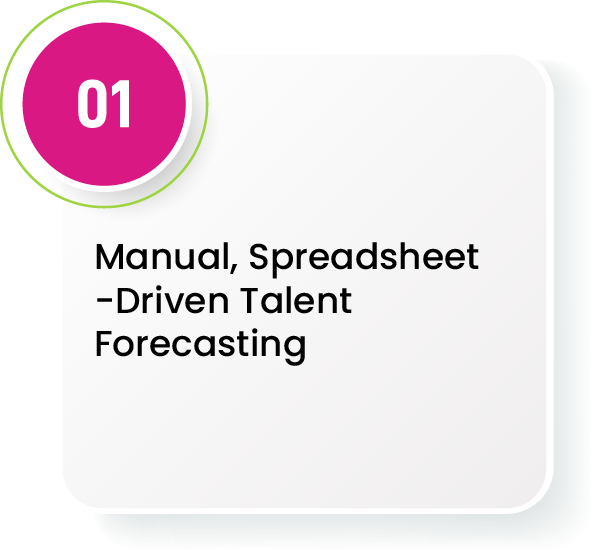
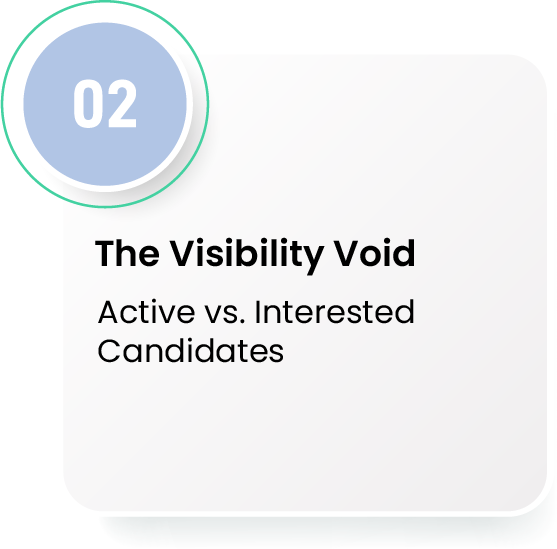
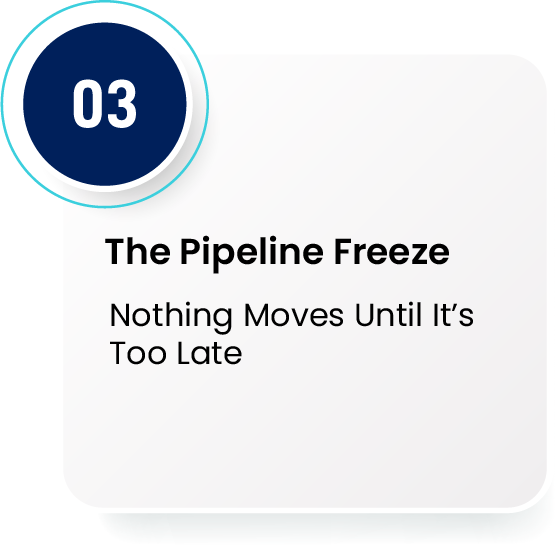
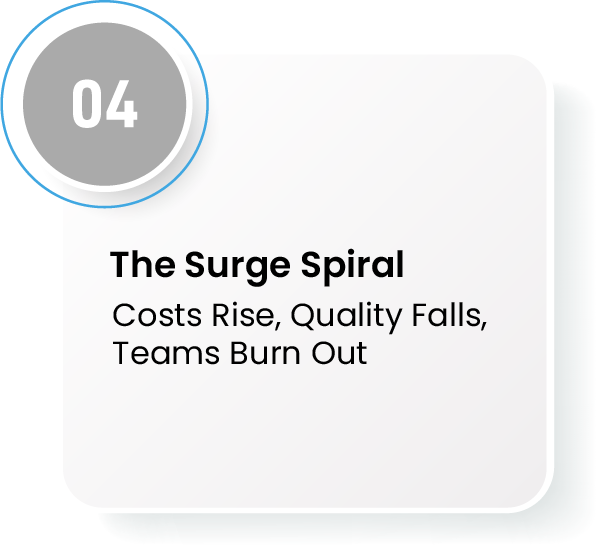
Figure 1: The Problems with Traditional Talent Pool Planning
1. Manual, Spreadsheet-Driven Talent Forecasting
Most organizations still use manually compiled spreadsheets for workforce forecasts. These spreadsheets are version-heavy and disconnected from real-time business challenges. Such forecasts become irrelevant when headcount priorities, budgets, or market conditions change. Without continuous, data-driven talent forecasting, teams rely on outdated assumptions rather than insights, turning ‘strategic workforce planning’ into ‘reactive firefighting’.
2. The Visibility Void: Active vs. Interested Candidates
A typical talent pool acts more like a digital graveyard—mountains of ATS records, outdated resumes, and passive lists that haven’t been updated in months or years. Recruiters are unable to distinguish between available, engaged, or even still in the market candidates, leading to ineffective outreach, low response rates, and inefficient sourcing cycles. Due to minimum candidate engagement, warm talent turns cold long before a position becomes available.
3. The Pipeline Freeze: Nothing Moves Until It’s Too Late
In traditional business models, talent pipelines are inactive until a requisition opens officially.
There’s no continuous engagement, skills development, or relationship-building, only long periods of inactivity. Therefore, candidates disengage and warm prospects gradually slip away. This leads to extended hiring cycles, inconsistent quality, and missed opportunities to convert warm talent into strong hires.
4. The Surge Spiral: Costs Rise, Quality Falls, Teams Burn Out
Hiring surges caused by expansion, attrition, or seasonal demand can quickly overwhelm recruitment teams that struggle to scale. Without proactive pipelines, fresh data, or real-time talent visibility, teams resort to costly external agencies. This leads to inflated hiring costs, hurried decisions, and avoidable quality issues—all because planning was not continuous and pipelines were not nurtured ahead of demand.
It’s no surprise that, even in 2025, almost 7 in 10 organizations (69%) still struggle to recruit full-time employees. With more than half of new hires leaving within their first year, it is evident that traditional talent planning isn’t keeping up with today’s talent requirements or the pace of modern business.
Why Does Predictive Talent Planning Matter More Than Ever?
In an era defined by AI, hybrid work, and shifting labor markets, organizations face unprecedented complexity. Predictive talent planning converts raw data into actionable intelligence, enabling HR and business leaders to stay ahead of disruptions.
- Unpredictable Economy: Agile Talent Planning Outperforms Precision Forecasting
With markets shifting faster than annual headcount cycles can follow, static workforce planning models fail when conditions change. Resilience comes from agility—having the intelligence and flexibility to anticipate demands and recalibrate talent strategies.
- Skills Shortages: Anticipation Is the New Advantage
When critical skills are scarce and evolve quickly, the edge comes from planning smarter, not sourcing harder. Organizations that anticipate demand, identify emerging positions before they become urgent, and build pipelines to hire faster and with better quality. In a market characterized by shortages, foresight—not scramble—drives hiring.
- Candidate Expectations: Continuous Engagement Is No Longer Optional
With candidates enjoying unprecedented choice, employer reputation is shaped in every interaction—not in occasional campaigns. Today’s talent expects rapid responses, personalized touchpoints, and a relationship that exists long before a requisition opens. Without an always-on engagement strategy, even strong brands lose visibility and momentum, while more consistent competitors win attention—and new hires. Sustained engagement isn’t just a recruitment tactic—it’s the new currency of trust.
- Budget Pressure: Predictive Insight Is the New Cost Discipline
With higher expectations and smaller budgets, talent acquisition cannot be based on guesswork. Last-minute hiring—premium sourcing, overtime, productivity loss—quickly drives up costs when planning lags. Predictive, AI-driven talent pool planning flips the script. By forecasting demand, spotting cost risks early, and revealing hiring patterns, organizations gain the visibility to allocate budgets wisely, smooth out spikes, and invest only where it matters the most.
How AI Transforms Talent Pool Planning
For years, talent acquisition has been in reaction mode—backfilling positions after unexpected exits, scrambling during new project launches, and changing priorities as markets evolve. In today’s environment of volatility, skill scarcity, and compressed economic cycles, that model no longer holds good.
AI is changing the game. AI hiring tools are turning talent pool planning from a retrospective activity into a predictive, intelligence-driven capability—providing organizations with the same level of foresight that they rely on in finance, operations, and customer strategy.
Therefore, TA teams move faster, plan smarter, and stay ahead of demand instead of chasing it.
Here’s how AI is reshaping the future of talent pool planning:
1. Forecast Workforce Demand Ahead of the Curve
AI replaces guesswork with insights. By analyzing historical hiring patterns, business cycles, skill signals, and market shifts, AI predicts talent needs well before a requisition is raised.
→ TA teams can align sourcing, budgets, and outreach proactively, and not reactively.
2. Automate Pool Creation + Curation!
Manual talent pooling is outdated—and unsustainable. AI constantly expands and updates your talent ecosystem, utilizing ATS data, internal mobility pools, alumni, referrals, and public profiles. It enriches candidate data, identifies skill changes, and re-engages prospects automatically.
→ Talent pipelines stay warm, active, and ready—even during hiring freezes.
3. Prioritize Ready to Move Talent
Readiness beats qualifications. AI uses real-time intent and interaction, not static resumes, to identify prospects who are engaged, interested, and likely to convert.
→ Recruiters focus on high-intent, high-fit candidates instead of cold outreach.
4. Predict and Prevent Skill Gaps
Skill requirements change faster than job responsibilities. AI identifies new skill demands, talent gaps across teams, and recommends whether to hire, upskill, or redeploy.
→ TA anticipates capability gaps before they affect business.
5. Enable Always-On Hiring
AI turns hiring from a requisition-driven process into a continuous state of readiness. Talent pipelines evolve in real time, engagement remains active, and planning automatically aligns with business signals.
→ Hiring becomes more consistent, scalable, and future proof.
The future belongs to teams that plan, not react—and AI is the catalyst that facilitates the shift.
How WorkLLama Powers Predictive Talent Planning
In a world where skills change overnight and demand is unpredictable; organizations that prepare rather than chase gain a significant edge. Many organizations continue to operate in a reactive mode—recruiting only when positions open and scrambling when demand increases.
WorkLLama’s AI Talent Pool Planner rewrites the playbook. By unifying predictive intelligence, automation, and always-on engagement, it turns workforce planning into a proactive engine of competitive advantage.
Here’s how:
- Predictive Forecasting: Gives TA teams a clear view of future demand by analyzing historical data, business direction, and market trends, eliminating last-minute hiring scrambles and aligning sourcing and spending in advance.
- Automated Pool Creation: AI auto-builds and updates role-specific talent pools by identifying the best-fit internal employees, alumni, and past contractors before external sourcing begins—accelerating hiring, leveraging familiar talent, and ensuring better cost management. Smart redeployment recommendations identify contractors nearing assignment end and match them to upcoming demand, minimizing turnover and strengthening retention. By unifying external acquisition with internal talent optimization, the workforce becomes continuously future-ready and self-refreshing.
- Integrated Sourcing: WorkLLama unifies all sourcing channels—career sites, referrals, internal communities, alumni networks, marketplace partnerships, and VMS platforms—into a single continuous funnel that extends beyond the ATS and CRM. By breaking down channel silos, TA teams can have access to both known and net-new talent, resulting in a more diverse and efficient hiring ecosystem.
- Candidate Engagement: Engagement spans SMS, push notifications, chatbots, voice, and mobile messaging—each triggered by real-time candidate behavior and intent. Conditional workflows automatically send the right message at the right time keeping passive talent warm even during hiring slowdowns through personalized updates, job matches, and career touchpoints. This helps talent pools transition from static databases to active, high-intent communities ready to respond when demand arises.
- Actionable Insights: Predictive intelligence moves beyond forecasting to deliver metrics TA teams can act upon—improving time-to-start, fill rates, wage optimization, contingent shift fulfillment, redeployment success, and overall talent quality consistency. With insights tied to measurable ROI instead of manual reporting or gut feel, workforce planning becomes clearer, faster, and decisively more strategic.
WorkLLama unifies the entire predictive talent cycle into a single, continuous loop—forecasting demand, auto-building pools, nurturing talent, activating ready candidates, and tracking outcomes. Therefore, talent planning doesn’t stay trapped in dashboards but drives real impact: faster hires, lower agency dependence, and a more resilient workforce.

